Introduction
Meditation is no longer limited to monasteries and retreats—it has entered mainstream life as a powerful tool for stress relief, mindfulness, and self-discovery. Yet, with so many meditation styles available, choosing the right practice can feel overwhelming.
Two popular but very different approaches stand out: Vipassana meditation and Dynamic Meditation, also known as Osho meditation techniques. While Vipassana is rooted in ancient Buddhist traditions of stillness and awareness, Dynamic Meditation is an expressive, movement-based practice designed for modern seekers.
In this article, we’ll explore Vipassana vs. Dynamic Meditation, their techniques, benefits, and differences, so you can decide which is right for your daily life.
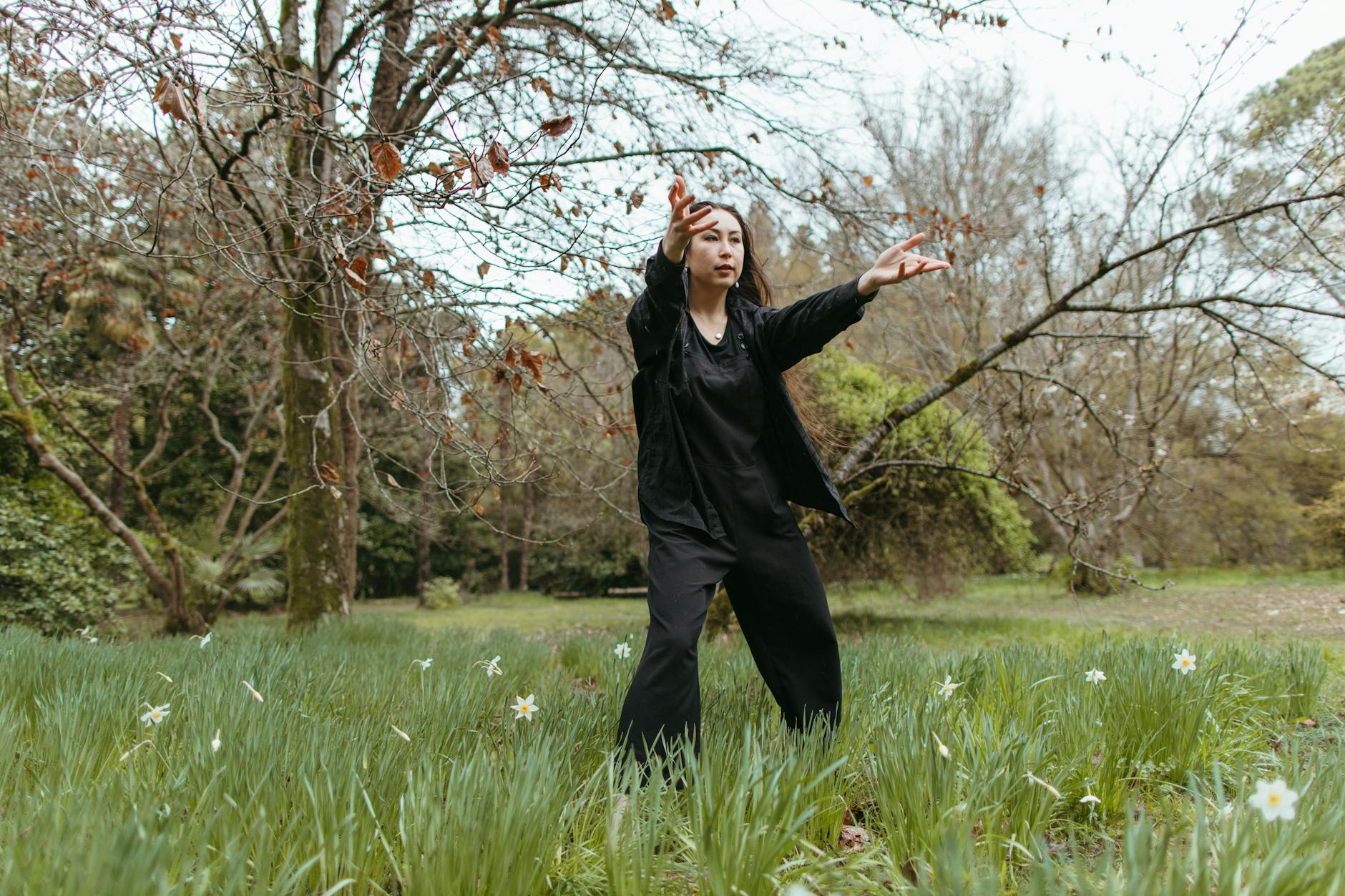
What Is Vipassana Meditation?
Origins of Vipassana
Vipassana, which means “insight” in Pali, is one of the oldest meditation practices in the world. It was taught by the Buddha more than 2,500 years ago as a way to observe reality directly through awareness of body and mind. Today, Vipassana meditation is widely practiced in silent retreats around the world.
Vipassana Technique
The Vipassana meditation technique is deceptively simple: sit quietly, observe your natural breath, and pay close attention to physical sensations throughout the body. Instead of reacting, you cultivate equanimity—accepting sensations as they arise and pass.
Key elements include:
- Awareness of breath – focusing on inhalation and exhalation.
- Body scanning – moving attention across the body to notice sensations.
- Equanimity – training the mind not to cling or resist.
Benefits of Vipassana Meditation
- Reduces stress and anxiety by calming the nervous system.
- Builds emotional balance and resilience.
- Offers deep insights into the impermanent nature of thoughts and sensations.
- Improves mindfulness in daily life.
Vipassana is powerful but can be challenging, especially in long silent retreats. Yet, its transformative results have made it one of the most respected meditation practices worldwide.
What Is Dynamic Meditation?
Origins of Dynamic Meditation
Dynamic Meditation was developed by the Indian mystic Osho in the 1970s. Osho observed that modern people, filled with stress and restlessness, often struggled with traditional silent meditation. He designed an active, cathartic technique to release built-up energy before slipping into silence.
Dynamic Meditation Technique
Dynamic Meditation is usually practiced in five stages, lasting about an hour:
- Chaotic Breathing – Rapid, deep breathing to energize the body.
- Catharsis – Express emotions freely by crying, laughing, shouting, or dancing.
- Mantra Chanting – Repeating “Hoo!” with full energy to awaken inner strength.
- Stillness – Standing or sitting silently, observing inner peace.
- Celebration – Dancing joyfully to integrate the experience.
Benefits of Dynamic Meditation
- Releases suppressed emotions and stress.
- Boosts vitality, energy, and emotional healing.
- Helps restless minds ease into stillness.
- Builds a sense of freedom, spontaneity, and joy.
Unlike Vipassana, Dynamic Meditation feels more like a workout for the body and mind, making it accessible for beginners who struggle with sitting silently.
Vipassana vs. Dynamic Meditation: Key Differences
Style of Practice
- Vipassana is silent, introspective, and rooted in stillness.
- Dynamic Meditation is active, expressive, and involves movement, sound, and physical release.
Environment
- Vipassana is often practiced in silence, especially during 10-day retreats.
- Dynamic Meditation can be practiced daily in group sessions or even alone at home with guided audio.
Accessibility
- Vipassana requires patience, discipline, and commitment to sit quietly. It can be challenging for beginners.
- Dynamic Meditation is easier for beginners or those with restless energy, since it uses the body to calm the mind.
Choosing the Right Meditation Practice for You
When to Choose Vipassana Meditation
- You want deep self-awareness and mindfulness.
- You are comfortable with silence and discipline.
- You seek spiritual insight and long-term transformation.
When to Choose Dynamic Meditation
- You find it hard to sit still or quiet the mind.
- You need to release emotional tension or stress.
- You prefer an active, expressive approach.
Combining Both Practices
Many practitioners benefit from combining Vipassana and Dynamic Meditation. Dynamic Meditation helps release tension and energy, making it easier to transition into Vipassana’s stillness. Together, they balance activity and awareness, body and mind.
Practical Tips for Getting Started
- Try Vipassana Retreats – Attend a 10-day silent Vipassana retreat to experience its depth.
- Practice Dynamic Meditation – Look for Osho meditation centers or online guided sessions.
- Start Small – Even 10 minutes of practice daily can build consistency.
- Experiment – Try both for a week each and notice which resonates more with your lifestyle and needs.
Conclusion
Both Vipassana meditation and Dynamic Meditation are powerful in their own ways. Vipassana leads you inward to stillness and awareness, while Dynamic Meditation liberates energy and emotions through movement.
There is no single “right” choice—the best meditation practice is the one that resonates with your heart, supports your daily life, and helps you grow in awareness and love.
So, whether you choose Vipassana, Dynamic Meditation, or both, the real gift is discovering the inner peace that already lives within you.
 Astitva Well Being