Introduction
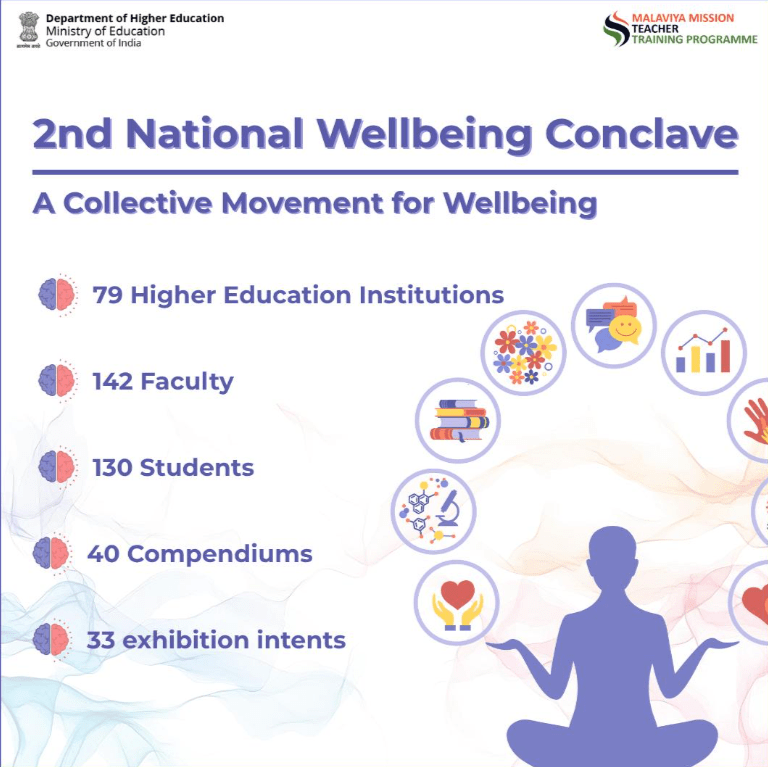
In an era where student stress, digital overload and burnout are becoming the norm, the second National Wellbeing Conclave 2025 emerges as a timely beacon of hope. Held at IIT Bombay from 22-23 November 2025, this event brought together students, faculty and mental-health practitioners from across India to explore how educational institutions can weave well-being, resilience and compassion into the very fabric of campus life.
swc.iitb.ac.in
For a platform like Astitva Well Being – whose mission is to harmonize body, mind and spirit—this conclave offers rich inspiration. In this article we unpack what happened, why it matters, and how you can carry its insights into your own life and community.
What is the National Wellbeing Conclave 2025?
The National Wellbeing Conclave (NWC) is a national-level event conceptualised to support higher education institutions (HEIs) in India with a holistic approach to mental health and well-being. Read more on https://swc.iitb.ac.in/nwc2025
Core objectives:
- Facilitate exchange of ideas on mental health and well-being across campuses.
- Showcase innovative initiatives from HEIs.
- Share best practices for student & faculty mental-well-being.
- Encourage meaningful student–faculty relationships and resilient institutional culture.
In short, the NWC 2025 is about going beyond talk—into action, practice, and community change.

Key Activities & Highlights from the Event
Symposiums & Panel Discussions
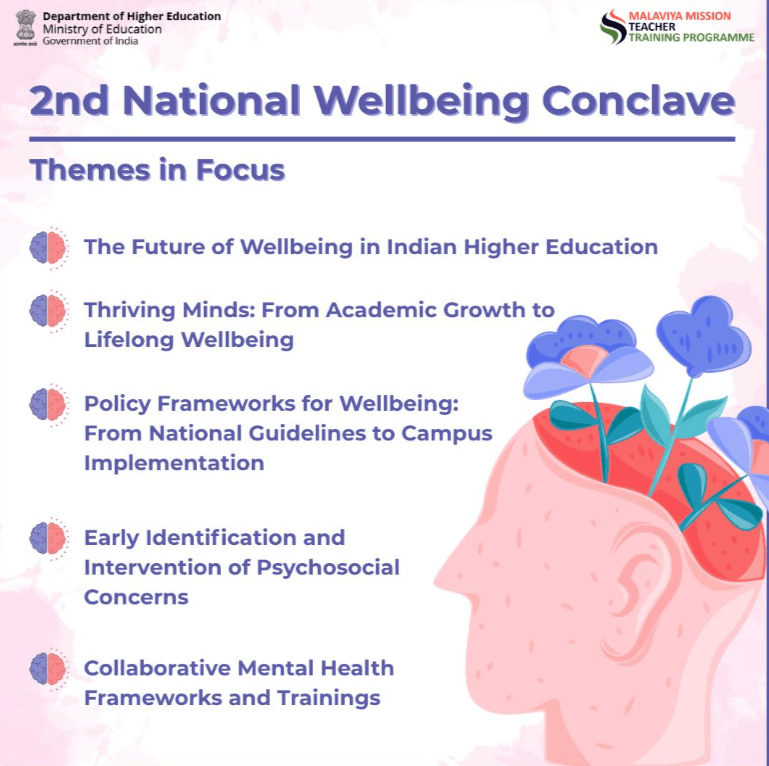
Speakers and panelists from psychology, counselling, higher-education leadership and health illustrated the scale of the challenge and the path forward. For instance, topics ranged from “The Future of Well-being in Indian Higher Education” to “Policy Frameworks for Well-being: From National Guidelines to Campus Implementation”.
Workshops & Interactive Activities
Participants engaged in experiential sessions covering mindfulness, emotional-intelligence training and community-building exercises.
Exhibition & Best-Practice Sharing
An exhibition displayed student-led initiatives, mental-health resources, tools and organisation-collaborations. Best-practice sessions enabled institutions to share what is working on their campuses.
Student & Faculty Engagement
Importantly, the event emphasised student-faculty partnerships and the idea that well-being isn’t only “what health-services do” but a culture created by all members of a community.

Why It Matters – Lessons for You
1. Well-being Must Be Embedded (Not an Add-On)
The conclave affirmed that well-being programs work best when integrated into daily campus life—not just as occasional workshops. For readers of Astitva Well Being: this is a cue to apply mindfulness, breathwork or stillness practices into your everyday — on campus, at work or home.
2. Community & Connection Are Essential
Single-person practices (meditation, breathwork) are powerful—but the NWC underscored relational well-being: peer networks, safe spaces, shared rituals. Use this insight to cultivate group practices, buddy meditation or mindful check-ins.
3. Action + Measure → Sustainable Change
One key activity was best-practice sharing of what works. On your site, this translates into tracking your own practices: “How many days did I pause for breathwork?” “What difference did I notice?” Real data builds trust—for yourself and your readers.
4. From Campus to Real Life
While NWC focuses on HEIs, the principles apply universally: integrate mindfulness into institutions, families, teams. Your audience is global—use the event’s framework (symposium → workshop → exhibition → action) as a model for personal and organisational well-being journeys.
How to Bring These Insights into Your Life Today
- Start a 5-minute daily ritual: Inspired by the workshops, pick one breath-meditation practice (e.g., “Inhale 4 / Hold 4 / Exhale 6”) and do it before bed or during your afternoon slump.
- Create a mini-“well-being exhibition” at home or team: Display cues like a journal, calming scents, a ‘pause-zone’. Emulate campus exhibition idea.
- Host a peer check-in: A friend or family member could join you for a weekly 15-minute group meditation or discussion on emotional well-being—mirroring the student-faculty engagement idea.
- Write down what you implement & track how you feel: Encourage readers of your blog to log “Before” and “After” feelings when starting a new practice. Build your own case studies.
FAQs
Q1. Who can attend the National Wellbeing Conclave 2025?
Students, faculty, counsellors and researchers from higher educational institutions across India.
Q2. What is the theme of the 2025 Conclave?
“Integrated Approach for Promoting Mental Health, Resilience & Well-being.”
Q3. Is the conclave only for universities?
Primarily yes—but the frameworks and practices shared are relevant for any organisation, team or community seeking well-being.
Q4. Will there be follow-up action or resources?
Yes, the event emphasises actionable ideas and aims to replicate initiatives across regions.
Q5. How can I apply these insights personally?
Use the “How to bring…” section above—small daily rituals, peer engagement, tracking changes.
 Astitva Well Being